Why you shouldn’t run stakeholder interviews like you’d run customer research
A different approach gets the most out of this valuable source of insight.


Stakeholder interviews are a staple of many projects, because understanding customers is only one part of solving any design problem.
If you have a background in UX research then you might default to treating them like customer research. After all, they are similar in many ways: a 1:1 exploratory conversation with specific objectives.
Yet some of the standard practices in customer research don’t always translate that well to stakeholder interviews. Adapting our approach can lead to better results.
Why stakeholder interviews need a different approach
When you’re doing customer research, you typically run all your interviews within as short a timeframe as possible. You use the same discussion guide for everyone and the topics you cover are fairly consistent across participants. You probe and explore tangents when relevant, but you need to ensure the research is robust.
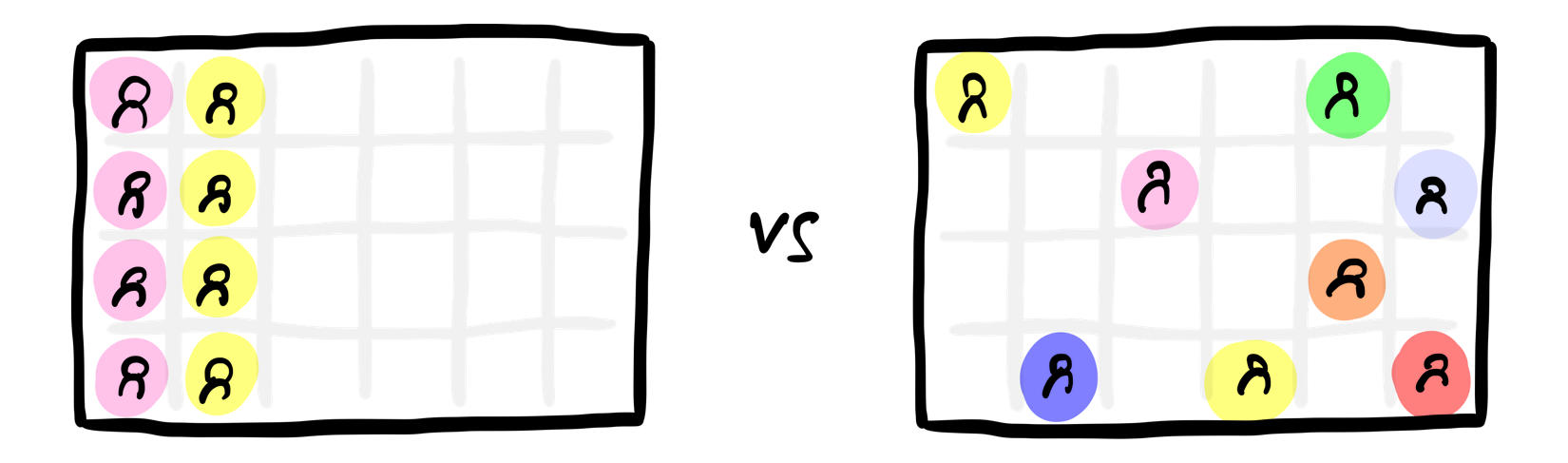
Stakeholder interviews are different:
- They can be spread out over weeks or even months, giving you time to reflect and adjust between conversations.
- You’re often speaking to people with very different roles and expertise, from product managers to legal teams to customer service leads.
- The breadth of topics can be much wider than in customer research, where you’re usually focused on a specific problem or experience.
- Each person has unique knowledge to contribute, so asking everyone the same questions doesn’t always make sense.
- You know who you’re talking to before you speak to them, so you have the opportunity to research them before the interview.
Instead of recruiting groups of people who are similar to each other and match a screener, we’re gathering a much wider range of disparate viewpoints.
Start by understanding who you’re speaking to
Since we know who we’re going to talk to and (presumably) why we’re talking to them, it makes sense to do some background research on them.
Before you speak to someone, take the time to understand:
- What is their role and what are they responsible for?
- What unique perspective or knowledge can they offer?
- How might their viewpoint differ from others we’re speaking to?
Have a look on LinkedIn, speak to team members about them and try to find out as much as possible in advance. This doesn’t have to take long, but it makes a huge difference to the quality of the conversation.
Use AI to create tailored discussion guides
Once you know who you’re speaking to, you can use AI to create a custom discussion guide for each stakeholder.
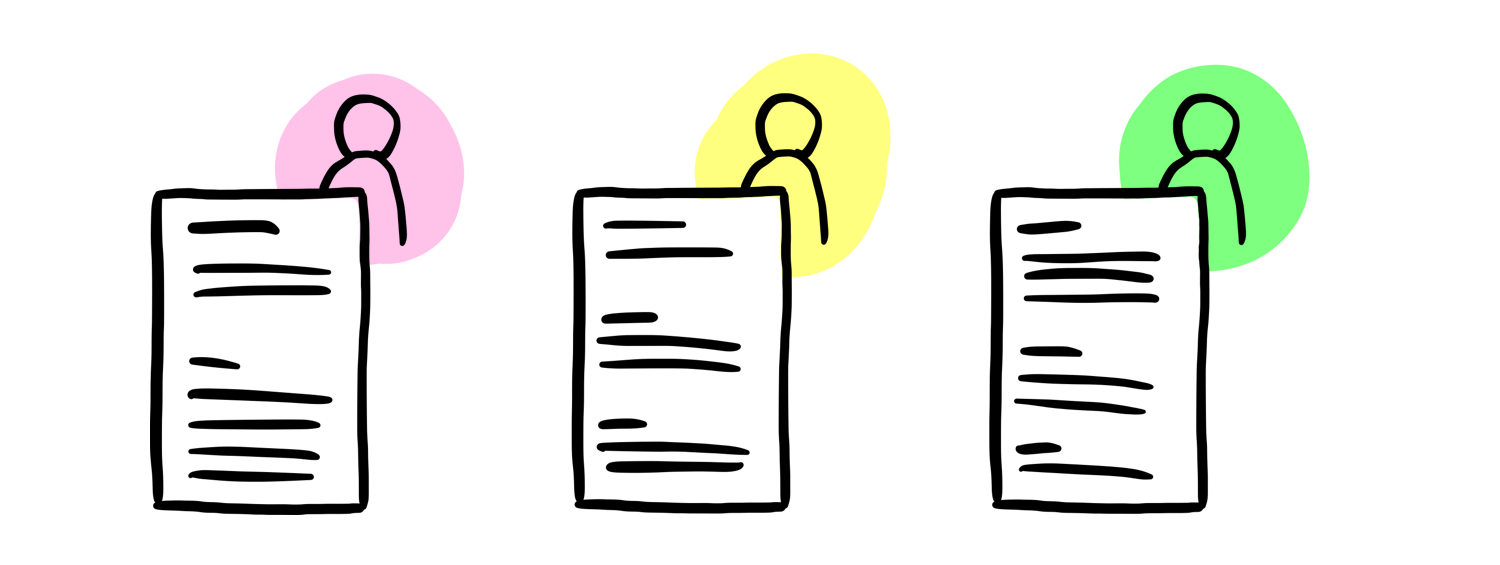
Rather than using the same set of questions for everyone like you would for customer research, you can generate questions that are specific to their role and expertise. This makes the conversation more focused and productive.
For example, if you’re speaking to someone in customer service, you might ask about common complaints and pain points. If you’re speaking to someone in legal, you might focus on compliance and risk.
AI makes this quick and easy. I recommend writing a base discussion guide/agenda and then asking your favourite LLM to add questions or adapt it based on the profile of the person you’re speaking to.
Build a knowledge base as you go
Since stakeholder interviews can be more spread out than customer interviews, and since you’re not asking the same questions to everyone, it can be harder to recall what was said.
Because of this, it’s even more important than usual to structure your note-taking and analysis:
- Transcribe every interview (with their permission of course).
- Summarise each transcript individually using AI, pulling out the key points and themes. This aids your recall later and is a good input for other prompts.
- Store all the transcripts in a central tool like NotebookLM, where you can query them later.
Having a live knowledge base that you can refer back to throughout the project is incredibly useful when you’re trying to piece together what you’ve learned.
Evolve your approach as you learn
The real power of this approach is that you can use what you’ve learned from previous interviews to inform the next one.
After each conversation, you can:
- Update your discussion guide to reflect new themes or gaps in your knowledge.
- Ask AI to summarise what you already know about a particular topic, so you can focus on what’s missing.
- Bring insights from previous interviews into the conversation, to test assumptions or explore contradictions.
This makes each interview more directed and productive. You’re not just asking the same questions over and over, you’re building on what you've already learned.
Why it matters
Sometimes UX researchers approach stakeholder interviews with less preparation and structure than user interviews, but this risks not learning enough from one of the most valuable sources of insight on any project.
Understanding the internal context – the constraints, politics and priorities – is just as important as understanding customers. It shapes every decision you make about what to design and how to deliver it.
By taking a more structured (and different) approach to stakeholder interviews, you can unlock much richer insights and make better decisions.